
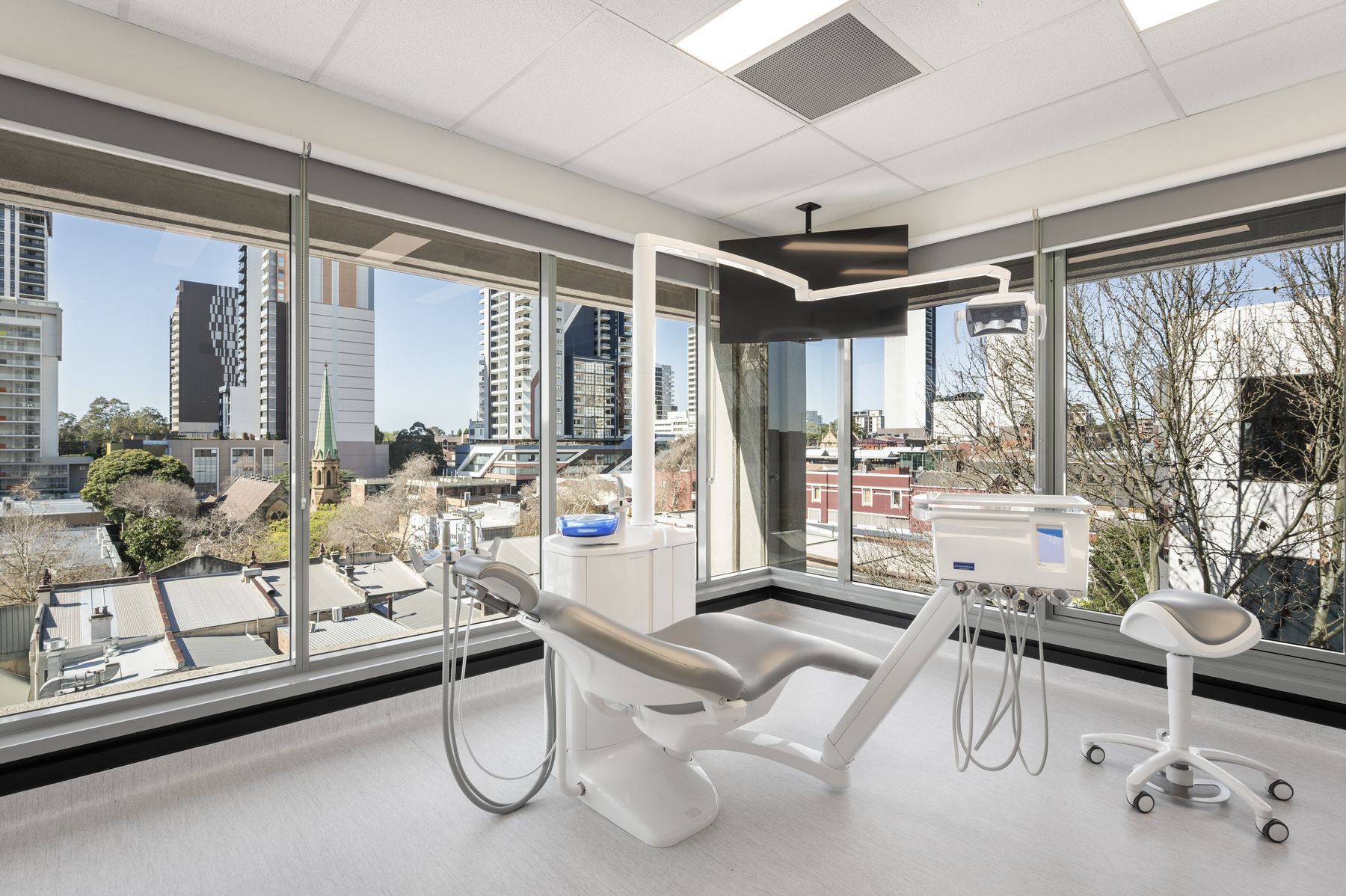
Rebuild, rather than cut back
Traditional gum surgery often reduces pockets by trimming gum and reshaping bone, which can leave teeth looking longer and more sensitive.
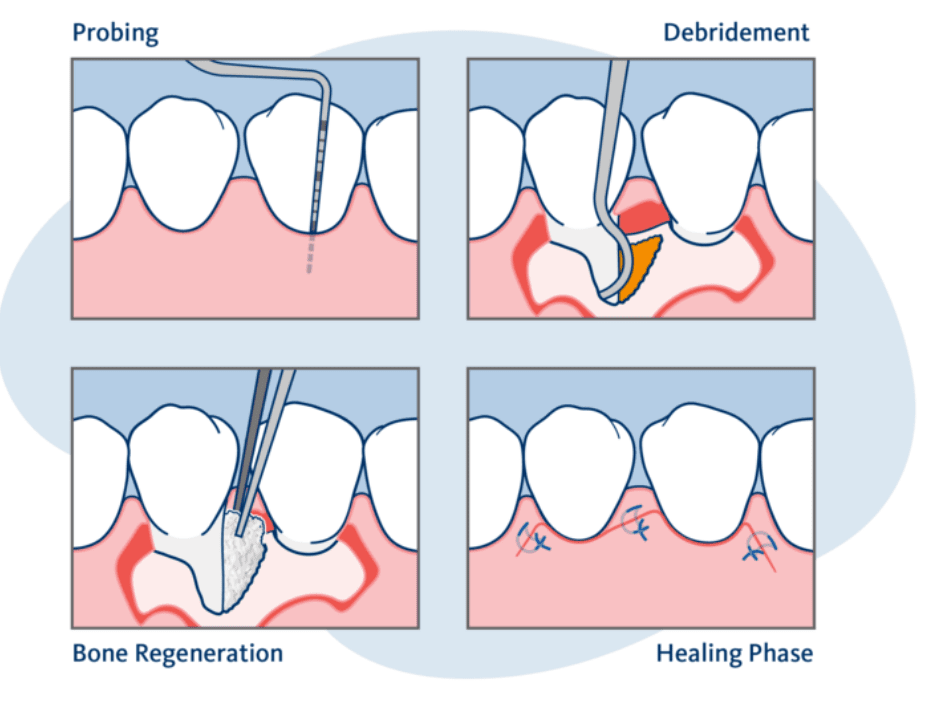
Our approach is to preserve tissue wherever possible and to regenerate what has been lost — bone and attachment around teeth, and gum where it has receded. This is reflected in our name and tagline: Regenerate for good.
What to expect
Before
A planning visit, review of your medical history and medications, and a written plan with an itemised estimate and consent form.
On the day
Most procedures are done under local anaesthetic in the chair. You go home the same day with written aftercare instructions.
Recovery
Some swelling and tenderness for a few days, a soft diet, and a review visit to check healing and remove stitches.
Common questions
Does gum surgery hurt?
You'll be numb during the procedure. Afterwards most people manage with over-the-counter pain relief for a few days. We'll give you specific advice for your situation.
How much time off will I need?
Many people return to desk work the next day. If your job is physical or involves a lot of talking, you may prefer a day or two off.
Will my health fund contribute?
Periodontal surgery is usually claimed under major dental cover. Your estimate lists the item numbers so you can check your rebate before you decide.
Is surgery always necessary?
No. Many people are treated successfully without surgery. We only recommend it for specific sites where it's likely to make a meaningful difference, and we'll explain the alternatives.